WQIO Ohio's Super Station

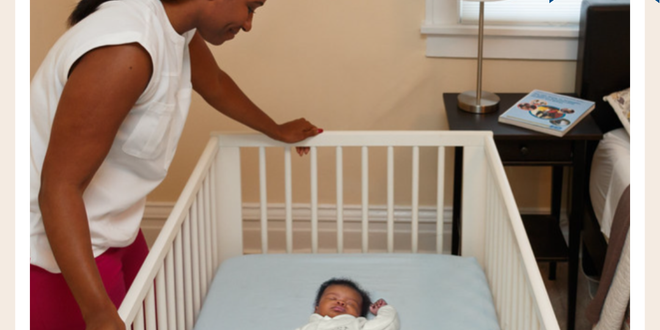
Knox Public Health is reminding parents, caregivers and babysitters about the importance of safe infant sleep during October’s Safe Sleep and Sudden Infant Death Syndrome (SIDS) Awareness Month.
According to the American Academy of Pediatrics, Sudden Unexpected Infant Death (SUID), which includes sleep-related deaths and SIDS, is the leading cause of death for infants between one month and one year of age. Knox Public Health says creating a safe sleep environment is an important step in protecting infants.
Health officials recommend that babies sleep on their backs in their own sleep space, such as a crib or bassinet, with a firm, flat, level mattress covered only by a fitted sheet. Babies should share a room with their parents or caregivers, but not a bed, through at least six months of age.
Parents and caregivers should also keep sleep spaces free of pillows, blankets, stuffed animals, bumpers and sleep positioners, which can pose suffocation risks. Twins and other multiples should each have their own crib or bassinet.
Car seats, swings and bouncers are not intended for routine sleep. If a baby falls asleep in one of these products, caregivers should move the child to a firm, flat sleep surface as soon as practical.
Help Available for Knox County Families
Families who need a safe sleep space may qualify for assistance through the Ohio Department of Health’s Every Baby Sleeps Safe initiative. The program provides education on safe sleep environments, proper crib use and additional community resources. Eligible families may receive a free crib or portable crib.
To qualify, applicants must live in Knox County, meet income requirements by qualifying for Medicaid or WIC or otherwise being financially eligible, and be at least 32 weeks pregnant or have a baby who is less than one year old.
More information about the program is available through Knox Public Health’s Cribs for Kids program.
Support for Exhausted Parents and Caregivers
Knox Public Health also emphasizes that caring for a newborn can be exhausting, and sleep deprivation can make safe sleep practices more difficult to maintain. Parents are encouraged to establish simple bedtime routines, use strategies to stay awake during feedings, accept help from trusted family members or friends, and move babies to a safe sleep space if they fall asleep somewhere unsuitable.
The agency also encourages parents experiencing persistent sadness, anxiety or feelings of being overwhelmed after childbirth to talk with a health care provider. Postpartum depression can affect anyone, and support is available.
Additional information on safe sleep is available through the American Academy of Pediatrics, the Centers for Disease Control and Prevention and the National Institutes of Health’s Safe to Sleep campaign.
Knox Public Health encourages families and caregivers to make safe infant sleep a routine practice throughout the year.